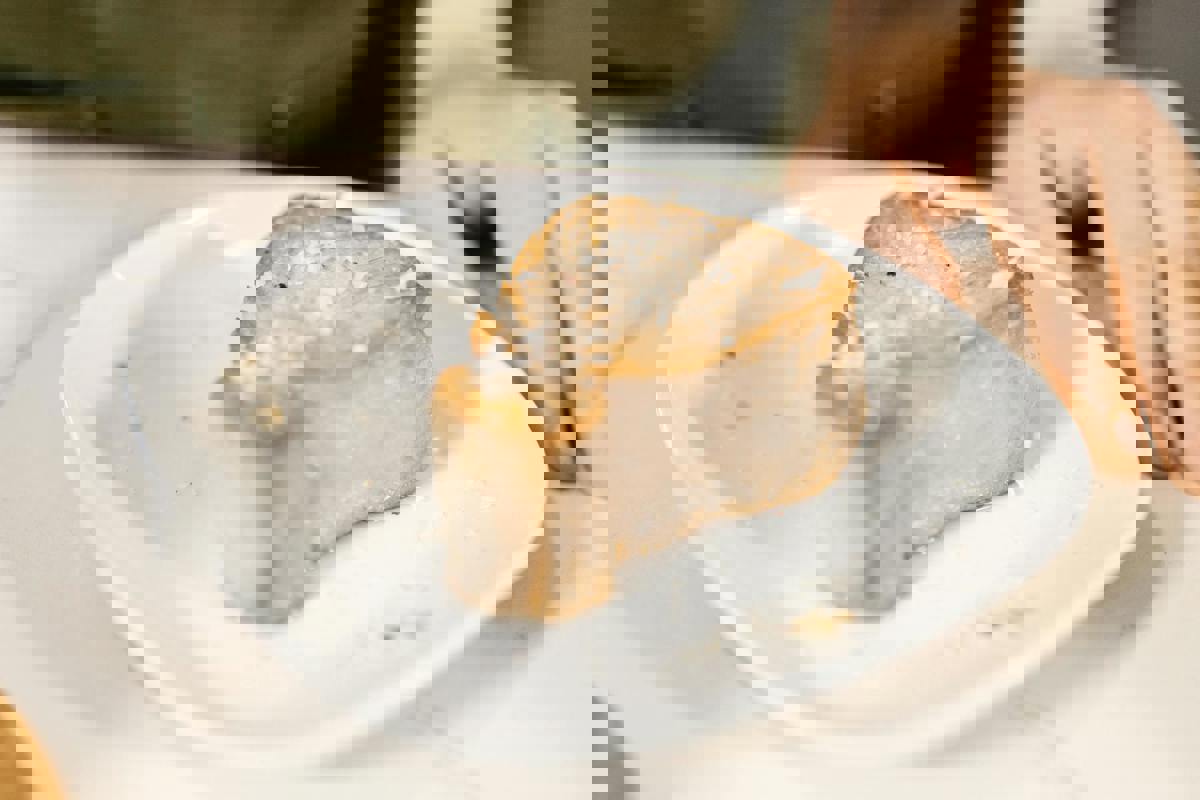
Home baking has experienced a renaissance in recent years, with more Canadians donning aprons and firing up their ovens. Amid this surge, a particular trend has begun to flourish—using ancient grains in bread making. Far from a fleeting fad, this movement celebrates grains that have nourished civilizations for millennia. The allure of ancient grains lies not only in tradition but also in the fresh flavours and enhanced nutrition they offer.
Ancient grains, including einkorn, spelt, emmer, and khorasan (also known as Kamut), differ significantly from the refined white wheat commonly found in supermarkets. These grains are generally less processed, retaining more of their natural nutrients. Home bakers are discovering that ancient grains lend breads deeper, nuttier flavours and satisfy a growing desire for simpler, more transparent food sources with traceable origins.
The unique characteristics of ancient grains have prompted bakers to experiment with their recipes and techniques. Baking with spelt, for example, often produces a moist crumb and mildly sweet taste, while khorasan wheat brings a subtle buttery richness. These grains behave differently than modern wheat, challenging bakers to refine their skills and develop new approaches to mixing, proofing, and shaping their doughs.
The nutritional profile of ancient grains is another reason for their rising popularity among health-conscious home bakers. Many ancient grains are higher in protein, fibre, and essential minerals compared to their modern counterparts. For those sensitive to gluten, some grains like einkorn and spelt may be easier to digest, though they are not gluten-free. The result is bread that not only delights the palate but also supports healthier eating.
Toronto-based food writer Grace McDermott explains, “There’s a growing awareness about the diversity of grains and their impact on both the planet and our bodies. Ancient grains, which often grow more sustainably and require fewer chemical inputs, connect people to farming traditions.” This eco-conscious motivation has inspired more Canadian bakers to seek out locally grown ancient grains, cultivating a closer link to regional agriculture.
Accessing these grains has become more feasible thanks to specialty stores and online retailers. Across Canada, small mills and co-ops are supplying home bakers with fresh-milled flour from local farms, making it easier for enthusiasts to experiment. The Canadian prairies, in particular, are a major source of heirloom grains, helping bread makers explore rustic flavours and textures from close to home.
Social media platforms and virtual communities have played pivotal roles in spreading enthusiasm for ancient grain baking. Home bakers frequently share their distinct loaves, process photos, and personal anecdotes on platforms like Instagram and Facebook. Online groups provide troubleshooting advice, recipe inspiration, and a sense of camaraderie, fostering bright networks that support both novices and experienced bakers.
Workshops and baking courses targeting ancient grain usage are becoming increasingly popular. These gatherings, often led by artisan bakers, delve into the science behind working with heritage wheats, hydration levels, and fermentations. Sara Pryce, a Vancouver-based baking instructor, notes, “Participants leave with a tangible appreciation for what goes into each loaf—there’s artistry, science, and a deep respect for the grain itself.”
Despite the benefits, baking with ancient grains is not without its challenges. Their varying gluten content can result in denser loaves and different textures compared to conventional bread. Bakers must adjust hydration, kneading, and fermentation times, sometimes over multiple attempts, before achieving their desired results. These hurdles, however, are often cited as part of the journey, making successes all the more rewarding.
The aesthetic appeal of ancient grain loaves also contributes to their growing fascination. The range of natural hues—from golden khorasan to the rich browns of spelt—creates visually striking breads. The aroma of freshly baked ancient grain bread, coupled with the crackling sound of a crunchy crust, transforms an ordinary kitchen into an artisanal bakery, enriching daily life with beauty and sensory delight.
As ancient grains take root in Canadian kitchens, their resurgence speaks to a broader desire for authenticity, sustainability, and culinary exploration. Home bakers, through their passion and innovation, are not only reimagining bread but also honoring agricultural traditions that span centuries. The result is a richer, more diverse bread basket—one that tastes of history, care, and the continued evolution of the home baking movement.