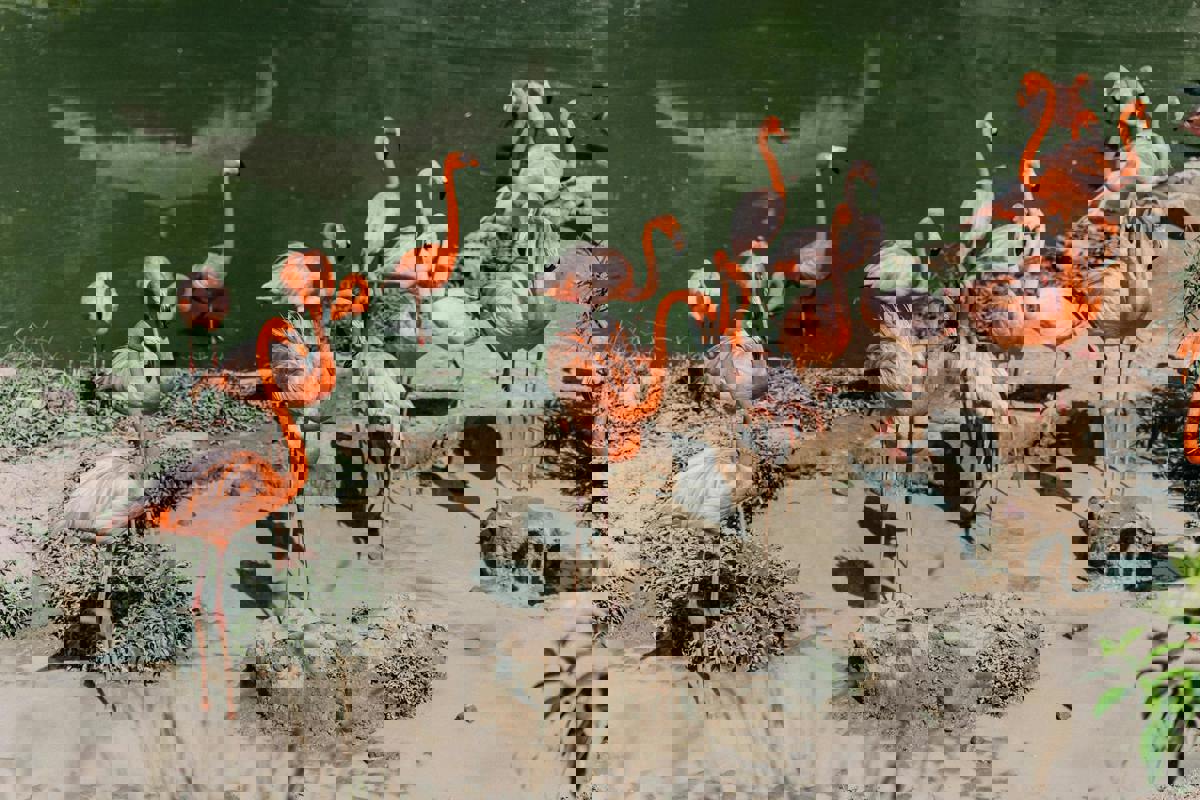
As winter wanes and spring arrives, a surge of activity can be observed along many North American coastlines. Conservation groups and environmentalists are coming together with renewed urgency to restore vital coastal wetlands. These dynamic habitats serve as crucial stopovers for migratory birds, offering them sanctuary and sustenance during their long journeys. The movement has gained fresh momentum amid mounting concerns over accelerating habitat loss and climate change impacts.
In recent months, a coalition of organizations—ranging from grassroots volunteers to international advocacy groups—have announced a raft of large-scale restoration projects. Maria Phillips, spokesperson for the Shorebird Conservation Alliance, highlighted the critical need: "Every year, we lose more wetland acreage to development and rising seas. If we don’t act now, we risk losing entire flyway populations." Such efforts represent not just local initiatives, but a broader commitment to global biodiversity.
Coastal wetlands are renowned for their remarkable biological productivity. According to Environment and Climate Change Canada, these ecosystems host over 50 percent of all migratory bird species at some point in their lifecycles. Aside from being avian havens, wetlands also foster a tremendous variety of plant and animal life. Their complex networks support fish nurseries, filter water, and buffer communities from storm surges, making them linchpins of ecological and human well-being.
Restoration strategies vary depending on a site’s unique history and condition. Key approaches include removing invasive plant species, planting native vegetation, re-establishing natural tidal flow, and constructing new channels or ponds to mimic lost habitat. In some areas, project leaders are deploying state-of-the-art remote sensing to monitor ecological changes in real time. These scientific methods ensure projects are guided by rigorous data and can be adapted to changing conditions.
Canada’s eastern and western coasts have become focal points for migratory bird conservation. The Atlantic and Pacific Flyways—critical migratory routes—are suffering from shrinking stopover habitats. Biologist Dr. Eric Lawson notes, "We’re seeing population declines in several shorebird species that are explicitly tied to the loss of wetland feeding grounds. Restoration offers a tangible way to reverse these declines and protect other wildlife simultaneously."
Community engagement plays a pivotal role in these restoration campaigns. Educational outreach, citizen science, and local stewardship opportunities are proliferating, inviting people of all ages to get involved. Volunteers are participating in bird counts, helping with vegetation planting, and removing debris left by storms. This grassroots enthusiasm both amplifies project impact and fosters a broader culture of environmental stewardship, ensuring the work endures beyond initial efforts.
Funding remains one of the primary challenges facing these ambitious undertakings. While government grants and private donations have supported many wetland initiatives, experts warn that more consistent investment is required. Recent federal climate adaptation packages have earmarked additional resources for wetland restoration, but conservationists like Karen Yuen of Ducks Unlimited Canada caution, "Sustained, long-term funding is essential to guarantee these habitats are preserved for future generations."
In addition to biological benefits, wetland restoration brings broader societal rewards. Rehabilitated coastal marshes enhance flood protection for nearby communities and improve water quality by filtering pollutants. According to a 2023 report from the Canadian Wetlands Council, restored ecosystems can increase property values and generate new ecotourism opportunities. As these projects expand, they help build more resilient coastal regions equipped to withstand environmental changes.
Looking ahead, conservation groups are optimistic yet realistic about the work that lies ahead. Success will depend not only on scientific ingenuity and ample funding, but also on public engagement and policy support. As migratory birds continue their awe-inspiring journeys, the hope is that restored wetlands will greet them for generations to come. In the words of Maria Phillips, "Protecting these habitats is an investment in our planet’s future—and our own."]} Above all, the movement to restore wetlands stands as a testament to the power of collective action in safeguarding our shared natural heritage.