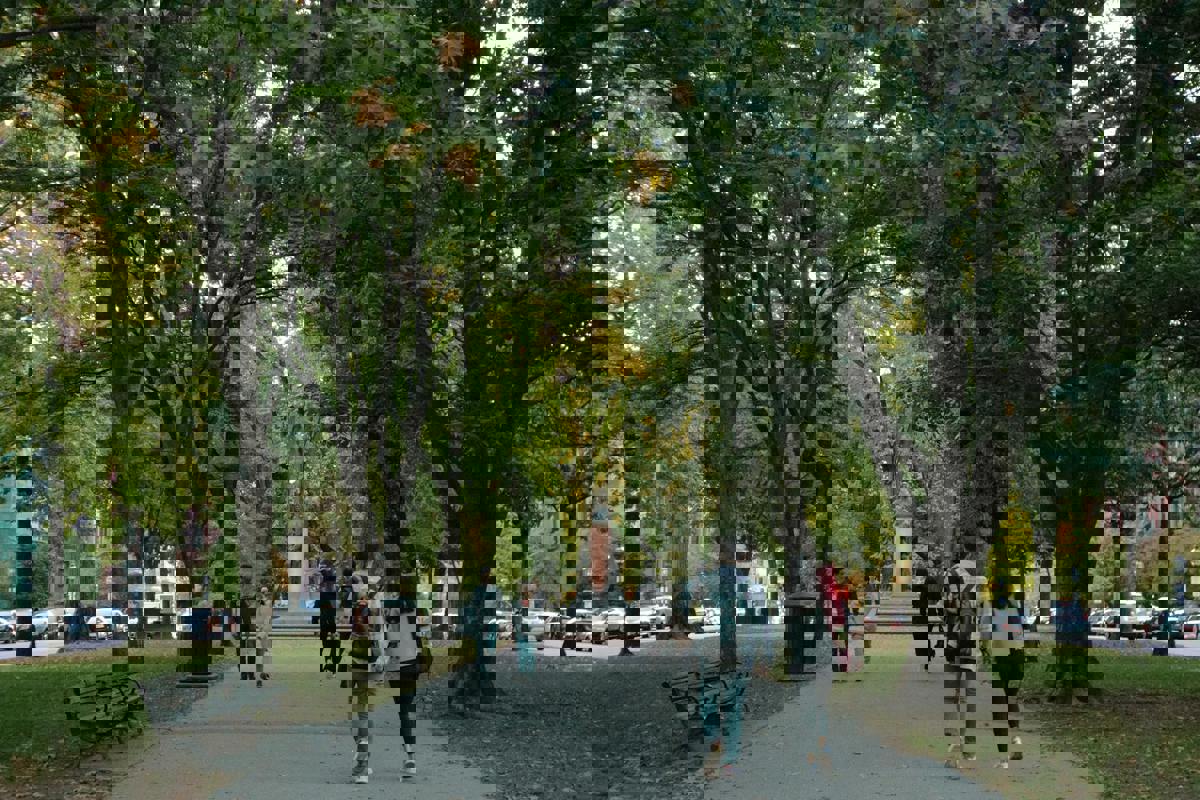
Urban parks, once primarily envisioned as places for recreation and beauty, are adapting to new roles in the battle against climate change. Across Canadian cities, these green spaces are being reimagined to mitigate the effects of urban warming, reduce flood risks, and improve overall urban resilience. The integration of rain gardens, expanded tree canopies, and innovative stormwater management systems marks a significant shift in park design philosophy, aiming for benefits that extend beyond aesthetic value.
Rising temperatures in urban areas, often exacerbated by dense infrastructure and limited vegetation, have prompted city planners to rethink the traditional park model. According to Environment and Climate Change Canada, many Canadian cities have experienced an increase in the number of extreme heat days over the past decade. Urban parks, with their natural cooling effects, have become critical assets for maintaining public health during heatwaves, particularly for vulnerable populations.
One key strategy embraced by municipalities is the development of rain gardens. These landscaped areas capture and filter stormwater runoff before it enters municipal drainage systems, reducing the burden on aging infrastructure and decreasing flood risk. Heather Thomson, a Toronto-based urban ecologist, noted, “Rain gardens are a simple yet effective tool for managing excess rainwater, especially as we see more unpredictable weather patterns linked to climate change.”
In addition to rain gardens, expanding tree canopies within city parks is central to urban adaptation strategies. Mature trees provide shade that can lower ground temperatures by several degrees, offering relief during summer months. A study by the University of British Columbia found that a single large tree can transpire nearly 400 litres of water daily, creating a natural cooling effect through evaporation and shading.
Beyond their role in temperature control, urban trees also sequester carbon, improve air quality, and support biodiversity. In cities like Vancouver and Montreal, park managers are actively planting climate-resilient tree species to ensure longevity despite shifting weather patterns and more frequent storms. These efforts not only combat urban heat but also create habitats for birds, pollinators, and native flora.
Communities across Canada are increasingly involved in shaping the future of their local parks. Citizen science projects and volunteer tree-planting events foster a sense of ownership and stewardship, enhancing both ecological and social outcomes. Lisa Bernard, a Montreal-area park advocate, emphasized, “When residents participate in park restoration, they become invested in the health of their neighborhoods and the planet as a whole.”
City planners are also exploring the intersection of green infrastructure with social equity. Not all neighbourhoods have equal access to well-maintained parks and tree cover, a disparity highlighted by research from the David Suzuki Foundation. Targeted investment in underserved communities ensures that everyone benefits from cooler, safer outdoor environments, especially those most at risk during climate events.
Technological advances are supporting these efforts. Remote sensing tools, such as drone imagery and GIS mapping, help identify urban heat islands and gaps in green coverage. Data-driven approaches enable city officials to strategically locate rain gardens and future tree plantings for maximum environmental impact. This science-based planning is crucial as cities strive to meet ambitious climate targets over the coming decades.
Partnerships between municipalities, non-profits, and private sector organizations have accelerated the adoption of green infrastructure in parks. Collaborative initiatives, like Toronto’s Green Streets program or Calgary’s Climate Resilient Parks project, demonstrate the power of pooling resources and expertise. These cross-sectoral efforts ensure that innovative solutions are implemented at scale, rather than isolated within a few flagship spaces.
The mental and physical health benefits of greener parks are becoming more widely recognized. Studies link exposure to well-vegetated environments with lower stress levels, higher physical activity rates, and reduced incidence of heat-related illnesses. As Sharon Lamontagne, a Calgary-based landscape architect, observed, “Redesigning parks for climate resilience also makes them more inviting and inclusive for everyday users—families, seniors, and children alike.”
Looking beyond individual parks, cities are now working to create interconnected networks of green infrastructure. Green corridors linking parks, community gardens, and urban forests facilitate wildlife movement and improve ecological connectivity. These networks are particularly vital for maintaining biodiversity in densely built-up areas, offering refuge to species otherwise threatened by climate change and urban development.
As cities across Canada continue to grapple with the growing challenges of climate change, urban parks are poised to play a leading role. By embracing rain gardens, expanding tree canopies, and fostering community engagement, these green spaces serve as living laboratories for resilience and sustainability. The future of city living may well depend on the thoughtful integration of nature into every facet of urban life, benefiting both people and the planet.